
Most home trends fade before the paint even dries, but your flooring shouldn't be one of them. In a city like Nashville where high-end style meets heavy humidity, choosing the right material is a high-stakes decision for your property value. You want a floor that looks like a masterpiece but performs like a workhorse. This is why ceramic remains the undisputed king of the 2026 home interior. It offers a unique vision-to-reality potential that few other materials can match.
You've likely felt the frustration of staring at technical labels like PEI ratings or vitrification levels while wondering if your grout will simply become a magnet for stains. It's exhausting to navigate the jargon when all you want is a beautiful, durable home. This guide promises to clear the fog. We'll break down the latest 2026 industry standards, clarify the porcelain versus ceramic debate, and show you how to select a surface that handles Tennessee's climate with ease. From artisanal textures to the updated TCNA installation specifications, you're about to gain the confidence to transform your space into a lasting sanctuary.
Key Takeaways
- Understand how the meticulous transformation of natural minerals through high-heat firing creates a surface that balances refined beauty with high-performance strength.
- Decode the technical distinction between standard ceramic and porcelain subtypes, focusing on the critical 0.5% water absorption threshold for moisture-prone areas.
- Discover why these materials are the premier choice for Nashville’s unique climate, offering hypoallergenic benefits and effortless temperature regulation.
- Identify the professional installation techniques and subfloor preparation standards required to protect your flooring investment from cracking and grout failure.
What is Ceramic? Beyond the Scientific Definition
To truly appreciate the floor beneath your feet, you have to look beyond the surface. Most people think of ceramic as just another tile option, but it's actually an ancient material refined by modern science. At its core, it's a blend of natural clays, minerals, and water. These raw elements are shaped and then subjected to extreme temperatures in a kiln. This intense heat transforms a soft, malleable mixture into a sophisticated, high-performance flooring surface that can withstand decades of foot traffic.
While the scientific answer to What is Ceramic? covers everything from pottery to space shuttle heat shields, residential ceramic tile is a specific category engineered for durability. Its historical longevity isn't a coincidence. Archeologists still find intact tiles from ancient civilizations, proving that when you choose this material, you're investing in a legacy of craftsmanship that outlasts almost any other interior finish.
The Role of Natural Clay and Minerals
The strength of your floor starts with the purity of the clay used in production. Higher-quality tiles use refined clays that lack the impurities found in budget-grade options. Manufacturers often add minerals like feldspar to the mix. These minerals act as a flux, lowering the melting point and helping the particles fuse together during the firing process. Vitrification is the specific process that makes tile glass-like and water-resistant by filling the pores within the clay body. This internal transformation ensures that your kitchen or bathroom floor won't absorb moisture or harbor bacteria over time.
Ceramic in the Modern Nashville Home
In luxury interiors across Franklin and Brentwood, this material has become a staple for homeowners who refuse to compromise on style. Its aesthetic versatility is unmatched. You can find options ranging from the warm, sun-baked tones of rustic terracotta to ultra-modern, high-gloss finishes that mimic rare stone. Because of this adaptability, it often serves as the perfect visual anchor in open-concept designs. It creates a seamless transition when paired with hardwood flooring, allowing you to maintain a consistent flow while using the most durable material in high-moisture areas. It's about bringing a specific vision to life without sacrificing the practical needs of a busy Tennessee household.
The Anatomy of a Tile: How Ceramic is Crafted for Durability
Every tile starts its journey as a humble mixture of raw earth. This stage is known as "greenware," where the shaped clay is still fragile and full of moisture. To transform these soft slabs into the rock-hard surfaces found in your home, they must undergo intense heat. The final kiln firing is where the magic happens. Higher firing temperatures force the clay particles to fuse more tightly, resulting in a significantly denser product. This density is your primary defense against the structural cracking that often plagues lower-quality materials that haven't been fired to professional standards.
The surface you see and touch is usually the result of a liquid glass finish called glaze. While it certainly provides the stunning colors and patterns that define your style, the glaze serves a much more practical purpose. It acts as a protective, non-porous shield that resists stains and scratches. Because this barrier is impermeable, it also prevents local Nashville allergens and dust from settling into the body of the tile, making your home easier to clean and healthier to live in.
Glazed vs. Unglazed Options
Choosing between glazed and unglazed ceramic depends entirely on the room's function. Glazed tiles are the gold standard for bathrooms and laundry rooms because they offer superior moisture resistance. The smooth surface ensures water beads up rather than soaking in. On the other hand, unglazed tiles are colored throughout the entire body of the clay. They offer a natural, matte finish with an inherent slip-resistance that makes them ideal for high-traffic entryways or mudrooms where traction is a priority. If you're feeling overwhelmed by these technical choices, you can explore our curated selection to see how these textures feel in person.
Understanding Strength and PEI Ratings
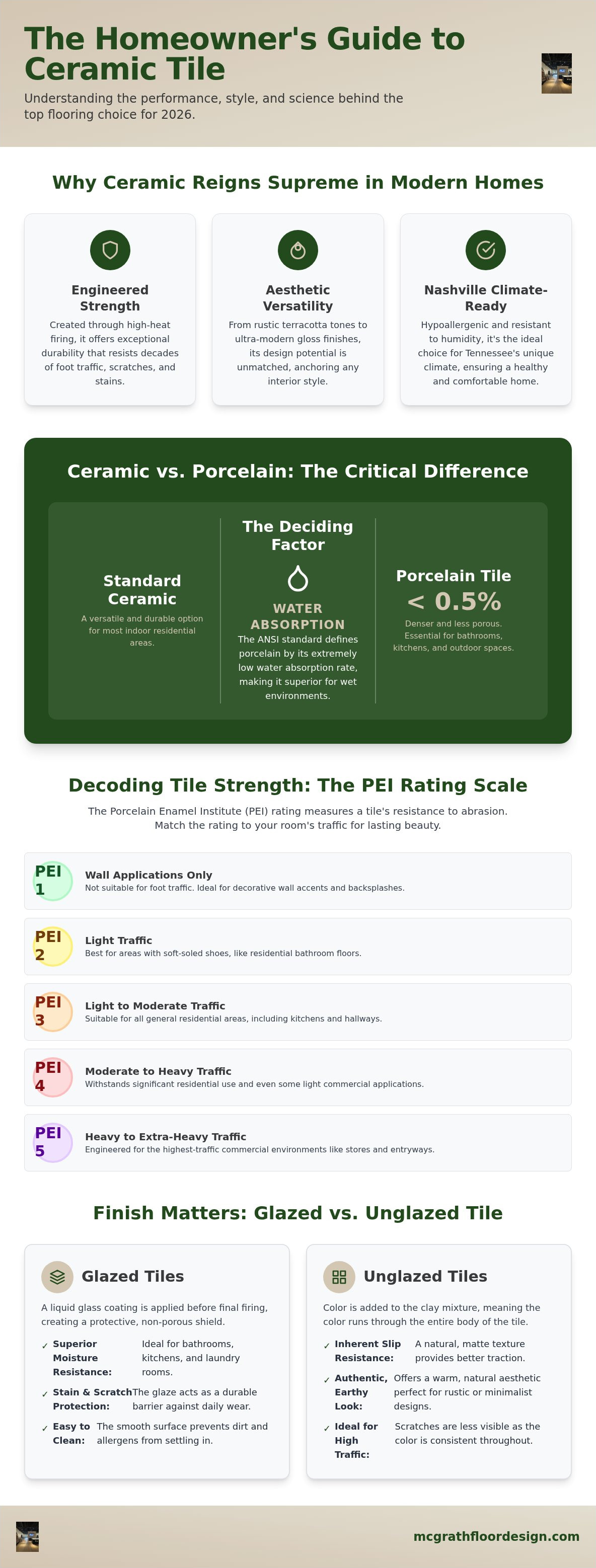
To ensure your floor can handle the rhythm of a busy household, we look at the Porcelain Enamel Institute (PEI) rating. This system measures a tile's resistance to abrasion on a scale of 1 to 5. While a PEI 1 or 2 is perfectly suitable for decorative wall accents, it won't survive the weight of a refrigerator or the scuff of a heavy boot.
- PEI 3: The standard for residential flooring, great for bathrooms and bedrooms.
- PEI 4: The "sweet spot" for high-traffic Nashville kitchens and entryways.
- PEI 5: Engineered for heavy commercial use, like grocery stores or airports.
Selecting a tile with a PEI 3 or 4 rating ensures your floor remains pristine for decades. It's not just about the initial look; it's about the long-term integrity of the material under pressure.
Ceramic vs. Porcelain: Solving the Great Flooring Debate
The most frequent question we hear in our Nashville showroom involves the confusion between these two popular materials. To put it simply, porcelain is actually a specialized subtype of ceramic. While they share a common ancestry of clay and minerals, the difference lies in the refinement of the raw ingredients and the intensity of the firing process. Porcelain is crafted from more refined, denser clays and fired at significantly higher temperatures than its standard counterparts. This extra heat creates a product that is nearly impervious to water, which is the primary technical distinction between the two.
According to the ASTM C373 test method, a tile must have a water absorption rate of 0.5% or less to be officially classified as porcelain. This makes it an elite choice for moisture-heavy environments. Another practical advantage of porcelain is its "through-body" color. Unlike glazed tiles where the pattern sits only on the surface, many porcelain options carry the color and pattern throughout the entire thickness of the tile. If a heavy pot drops and causes a small chip, the damage is much less noticeable because the color underneath matches the surface. Standard tiles, however, remain a favorite for their workability. They are generally softer and easier to cut, allowing for more intricate custom work without the need for specialized diamond-blade saws.
When to Choose Standard Ceramic
Standard tiles are often the ideal choice for wall applications and backsplash designs in Franklin homes. Because they are lighter and easier to install on vertical surfaces, they offer a cost-effective way to achieve a high-end look in kitchens and laundry rooms. If you're planning a large-scale residential project where budget management is a priority, standard options provide a beautiful finish at a more accessible price point. Their ease of cutting also makes them perfect for complex patterns or custom mosaic layouts where precision is key.
When Porcelain is the Superior Investment
For mudrooms and entryways that face the inevitable Tennessee rain and mud, porcelain is the superior investment. Its density makes it incredibly resistant to the wear and tear of a busy household. In bathrooms where water is a constant presence, porcelain provides a level of security that other materials can't match. While some homeowners consider laminate flooring for its visual appeal, porcelain remains the gold standard for high-moisture zones because it won't swell or warp when exposed to standing water. It's a "set it and forget it" solution for the most demanding areas of your home.
Design and Function: Selecting Ceramic for Nashville Lifestyles
Nashville's erratic climate demands materials that can keep pace with shifting temperatures. During our sweltering Tennessee summers, ceramic surfaces remain naturally cool to the touch, providing a refreshing relief as you walk through your home. In the winter, they pair beautifully with radiant heating systems to create a cozy, warm environment that retains heat efficiently. Beyond temperature, this material is a champion for indoor air quality. It is inherently hypoallergenic and VOC-free, ensuring that your living space remains free from the chemical off-gassing often found in synthetic flooring alternatives.
Choosing the right tile size is just as critical as the material itself. Large-format tiles are currently dominating high-end design trends because they create a seamless, expansive look with fewer grout lines to interrupt the visual flow. Conversely, mosaic tiles offer the intricate detail and extra grip needed for shower floors or classic patterns. To keep your selection looking pristine, we recommend using high-quality, pre-sealed grouts that resist the deep-seated staining common in busy households. If you are ready to see these designs in person, visit our Nashville showroom to explore our curated collections.
Waterproof Performance in Brentwood Bathrooms
There is a reason this material is considered the undisputed king of waterproof flooring. It provides an impenetrable barrier that protects your subfloor from the steam and splashes of a daily routine. You can easily create a spa-like retreat by selecting textured, stone-look tiles that offer the organic beauty of slate or travertine without the high maintenance of natural stone. Safety is paramount in wet areas, so we always guide our clients toward options with appropriate Dynamic Coefficient of Friction (DCOF) ratings. A DCOF of 0.42 or higher is the standard for ensuring family members have adequate traction on wet surfaces.
High-Traffic Solutions for Franklin Entryways
Franklin homes often serve as the hub for active outdoor lifestyles, which means entryways must handle a constant influx of grit and grime. This material excels here because its hardened glaze prevents abrasive dirt from dulling the finish. Transitioning from a tiled entry to hardwood living areas is a classic design move that balances rugged utility with warm hospitality. Ceramic requires zero refinishing over its multi-decade lifespan, making it one of the most sustainable and low-effort investments you can make for your property. It stands up to the heavy paws of family pets and the muddy boots of a rainy Tennessee spring without showing a hint of wear.
The Professional Edge: Installation and Selection at McGrath
Even the most exquisite ceramic tile can't overcome a poor foundation. The secret to a floor that looks as good in twenty years as it does today lies beneath the surface. Meticulous subfloor preparation is our first priority. We ensure the base is perfectly level and structurally sound to prevent "lippage," which is that frustrating unevenness where one tile edge sits higher than its neighbor. Without this expert attention, your investment is at risk of cracking under the stress of daily foot traffic and the natural settling of your home.
Professional installation is equally critical for the longevity of your grout. While it might seem like a secondary detail, grout is the bond that holds your design together. Our team understands the precise chemical balance required for different environments, from steam-heavy master baths to high-traffic mudrooms. We use advanced adhesives and specialized spacers to ensure perfectly straight lines and a bond that resists moisture and staining. This level of technical precision is what differentiates a standard renovation from a masterfully crafted home transformation.
Expert Installation Standards
Our master installers approach every project with a meticulous eye for detail. We don't believe in shortcuts. Protecting your investment means getting it right the first time, every time. We utilize specialized diamond-blade saws for clean, custom cuts and high-performance thin-set mortars that are specifically matched to your selected material. This technical rigor ensures that your vision transitions seamlessly into a durable, beautiful reality that enhances your home's total value. It's a proactive approach that prioritizes long-term reliability over quick fixes.
Visit Our Nashville Area Showroom
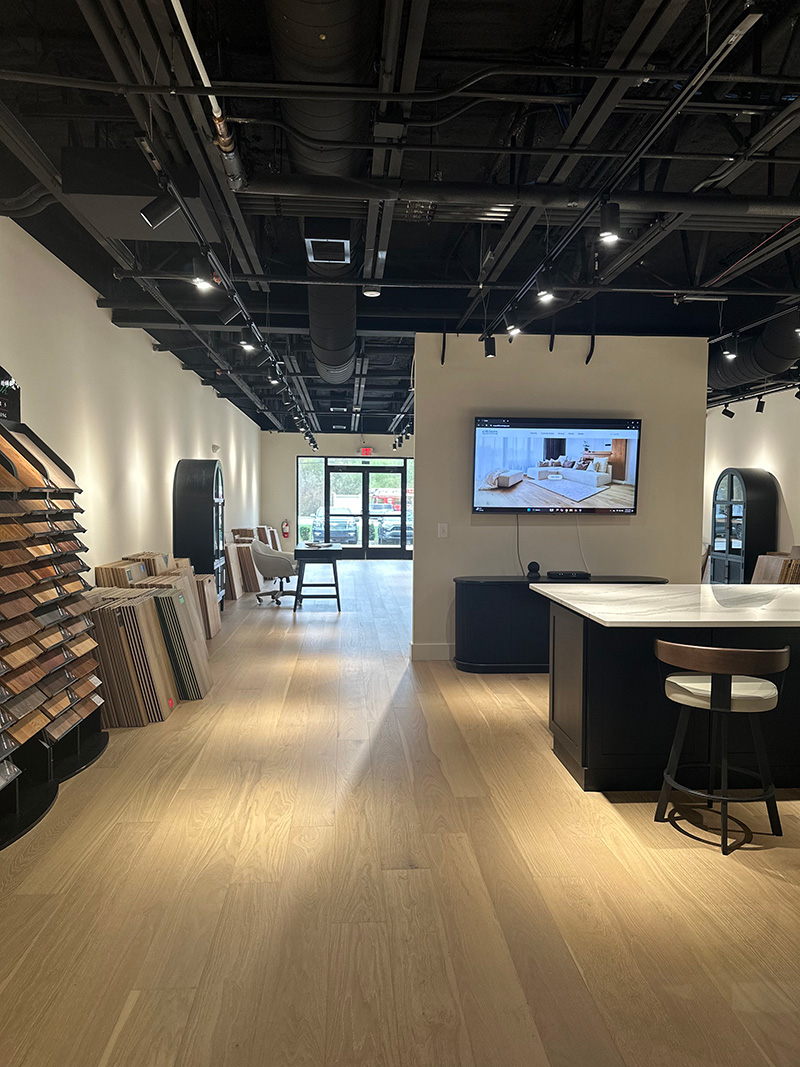
Choosing the right ceramic flooring shouldn't feel like a chore. Our specialized showroom in the Nashville area is designed to be a curated sanctuary where you can experience the latest 2026 textures and colors in person. You'll have the opportunity to consult with Rick McGrath and our seasoned team of flooring experts who bring fifty years of combined industry experience to your project. We listen to your specific needs first, guiding you through the selection of materials, grout colors, and layout patterns that best complement your lifestyle. Start your transformation today with a personalized design consultation and let us help you build a home you're proud to share.
Building Your Legacy in Every Room
Choosing the right floor is about more than just aesthetics; it's about creating a foundation that withstands the tests of time and the unique Nashville environment. You now understand how the science of ceramic translates into a sophisticated, waterproof surface that protects your home's value. From decoding PEI ratings to distinguishing between specialized porcelain subtypes, you have the knowledge required to select materials with absolute confidence.
At McGrath Floor & Design, we pair over 50 years of combined industry experience with NWFA and industry-certified expertise to ensure your project is handled with precision. We take pride in being Nashville's trusted guide for premium flooring, moving your project from an initial concept to a stunning, finished reality. Explore Our Premium Ceramic Collections at McGrath Floor & Design and discover how our meticulous craftsmanship can transform your living space. We look forward to helping you build a home that truly reflects your style and standards.
Frequently Asked Questions
Is ceramic flooring better than porcelain for a home?
Neither material is universally better; the right choice depends on your room's specific needs. Porcelain is a denser subtype that absorbs less than 0.5% water, making it the premier choice for wet zones. Standard tiles are often more budget-friendly and easier to cut for intricate backsplash designs. We guide you through this selection based on whether you need maximum moisture resistance or a cost-effective wall solution.
Does ceramic tile crack easily in high-traffic areas?
Quality tiles don't crack easily when you match the PEI rating to the room's usage and ensure a stable foundation. For busy Nashville kitchens, we recommend a PEI 3 or 4 rating to handle the weight of appliances and constant foot traffic. Most cracking is actually caused by poor subfloor preparation or using a tile designed for walls on a floor surface.
Is ceramic flooring cold in the winter?
Surfaces naturally adopt the room's ambient temperature, which can feel cool during a Tennessee winter. However, this material is an excellent conductor of heat and pairs perfectly with radiant floor heating systems. This combination provides a consistent, gentle warmth that makes your floors comfortable even on the coldest mornings. Without radiant heat, area rugs are a simple way to add warmth to specific zones.
How long does ceramic tile flooring typically last?
A professionally installed floor can easily last 50 years or more with basic care. Because the material is fired at extreme temperatures, it remains structurally stable and resistant to fading from UV exposure. Unlike other flooring types that eventually require sanding or refinishing, this surface maintains its original color and pattern for the entire life of the installation. It's a multi-decade investment in your home.
Can ceramic tile be installed over existing flooring?
While possible in rare cases, we generally advise against installing new tile directly over existing flooring. A successful ceramic installation requires a rigid, level, and clean subfloor to prevent the tiles from shifting or the grout from failing. Adding layers can also create height issues with doors and transitions. We prioritize long-term durability by assessing the foundation first to ensure a flat, stable surface.
Is ceramic tile hard to maintain?
This is one of the most low-maintenance flooring materials available. Regular sweeping and occasional mopping with a pH-neutral cleaner are usually all that's required to keep the surface looking new. Because the glaze is non-porous, it won't harbor bacteria or allergens. For the best results, we suggest using high-performance, pre-sealed grouts that resist the deep-seated staining often associated with older tiling projects.
Is ceramic flooring slippery when wet?
Slip resistance depends on the specific finish and the DCOF rating of the material. Many modern ceramic options feature textured surfaces specifically designed to provide traction in wet areas like bathrooms and laundry rooms. When selecting tiles for these spaces, look for a DCOF rating of 0.42 or higher. This technical standard ensures that your family and guests have adequate grip on wet surfaces.


